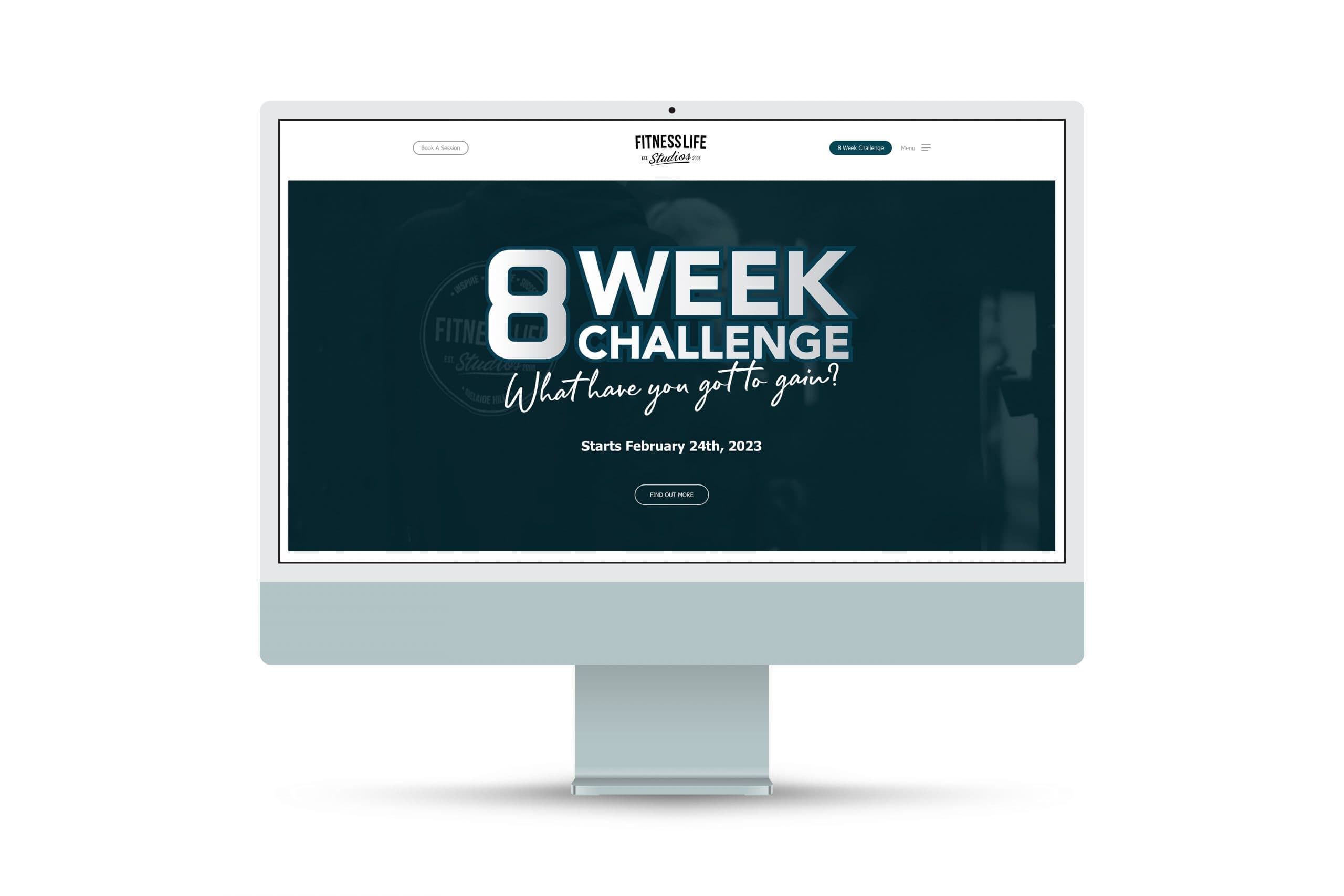
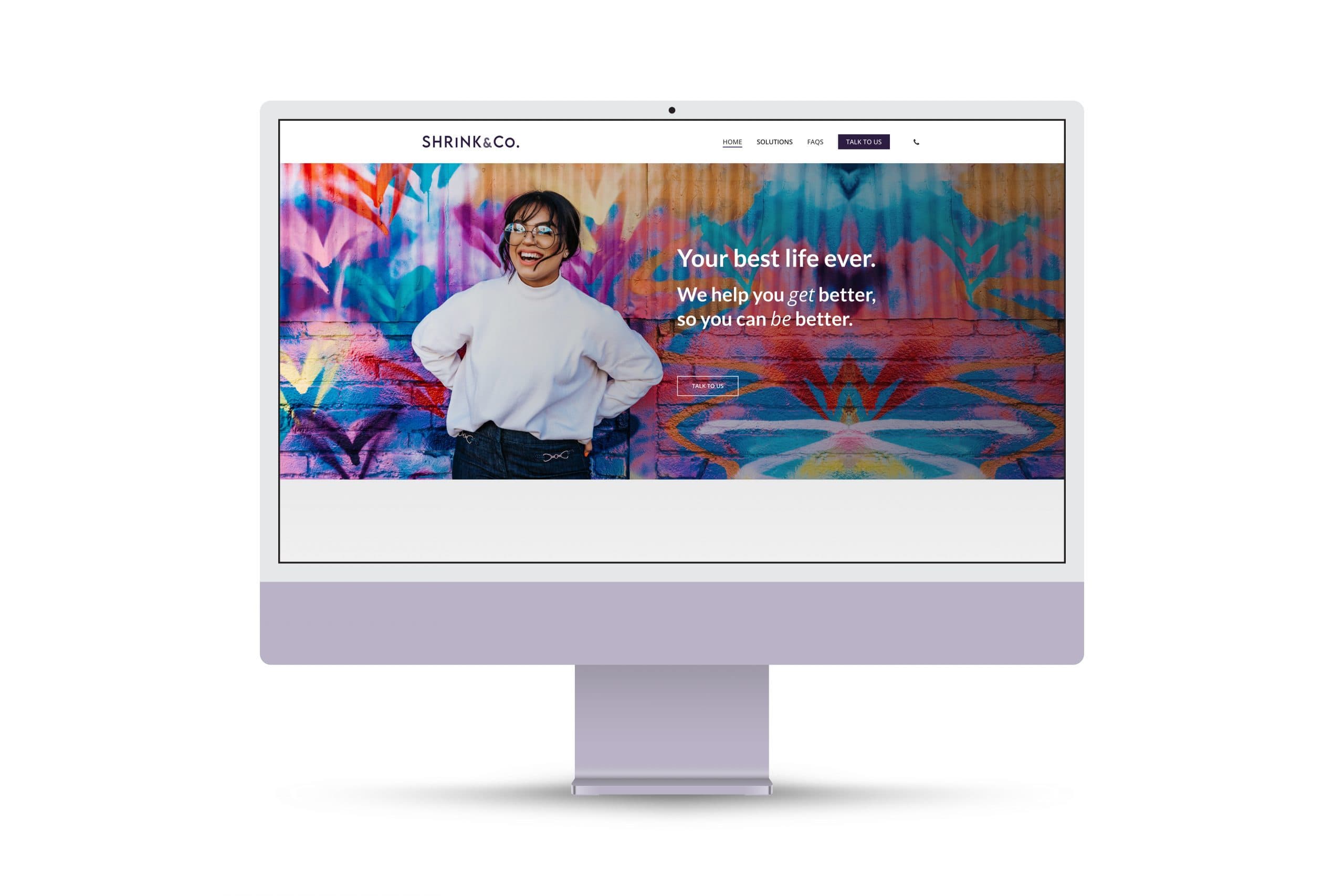
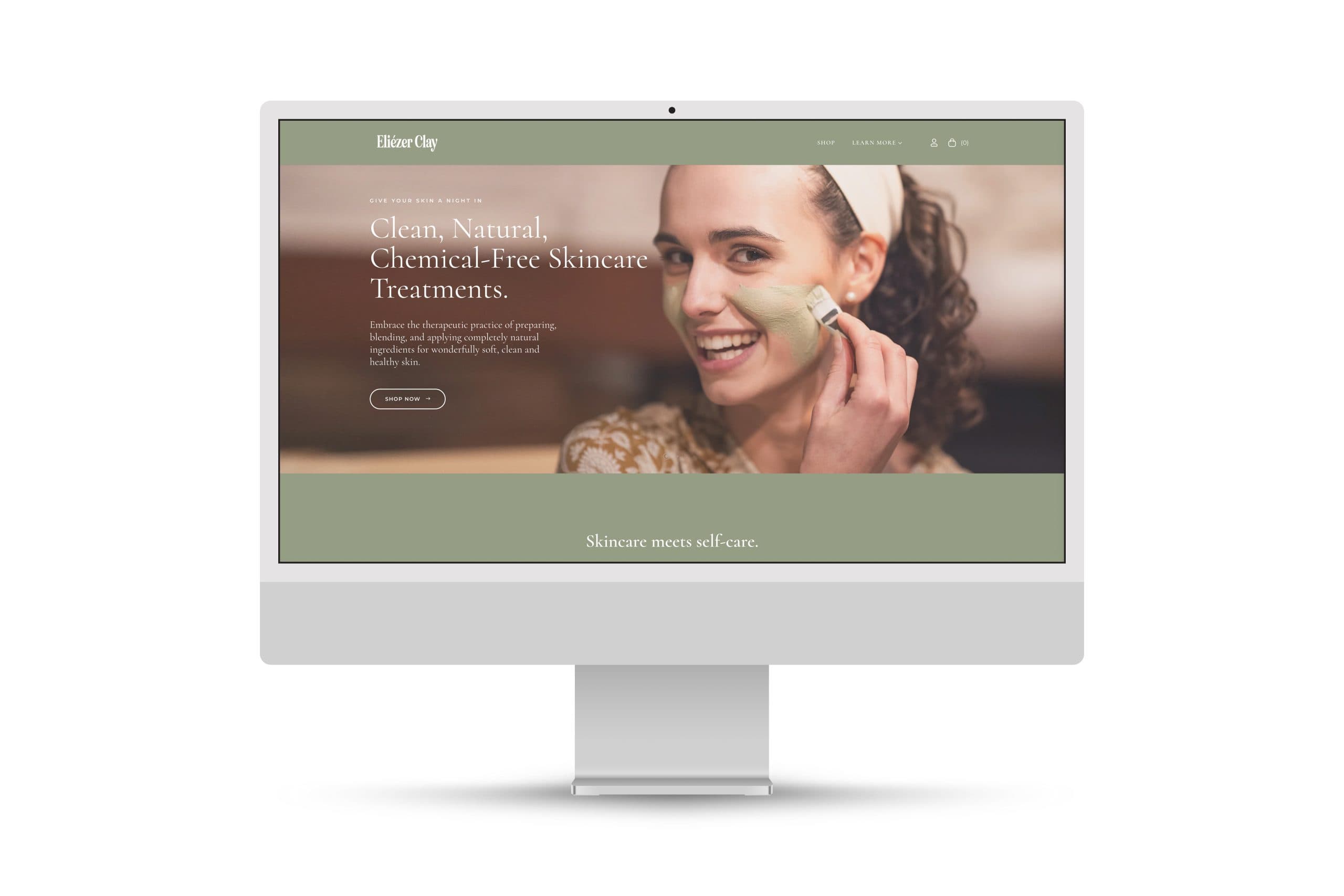
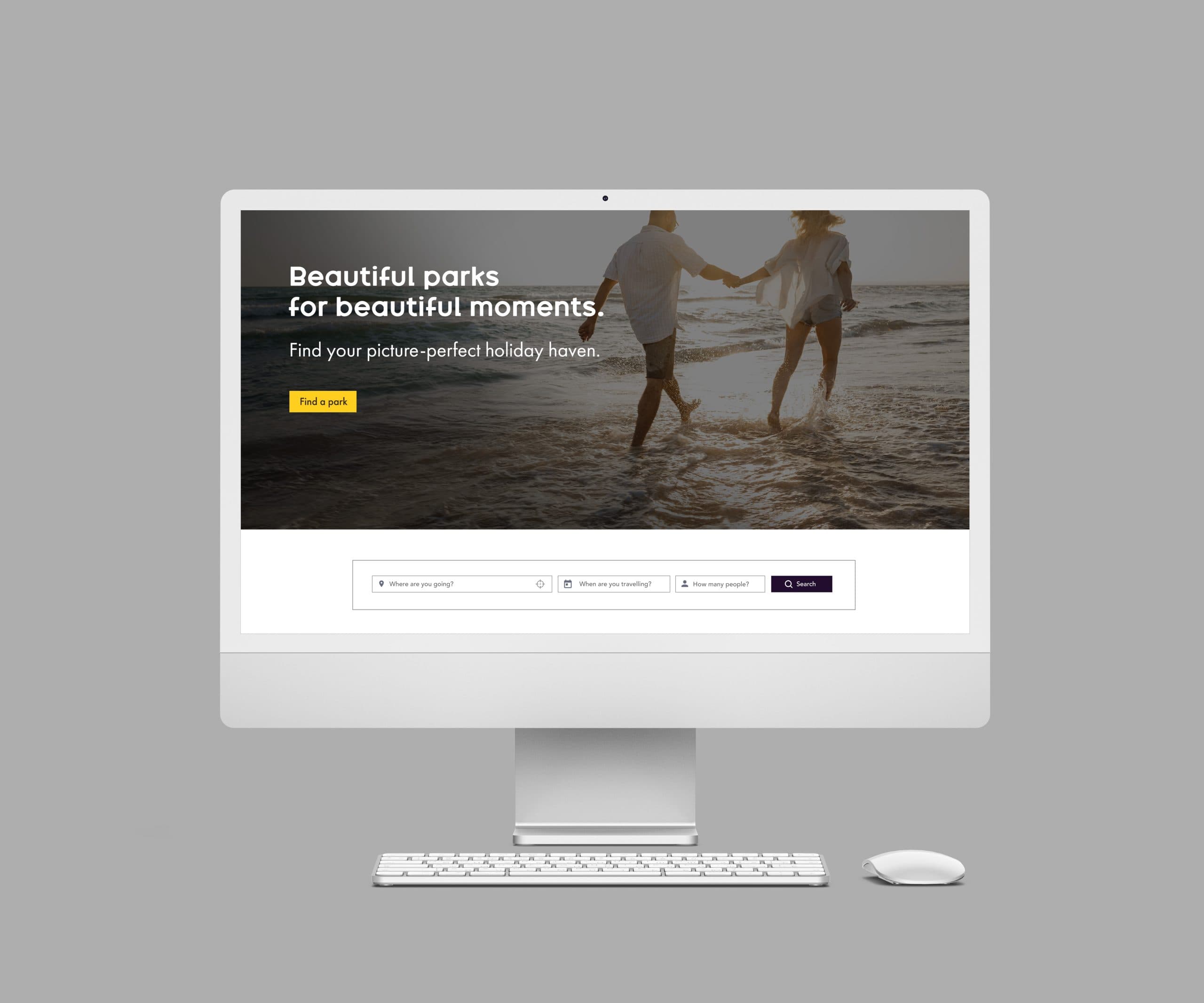
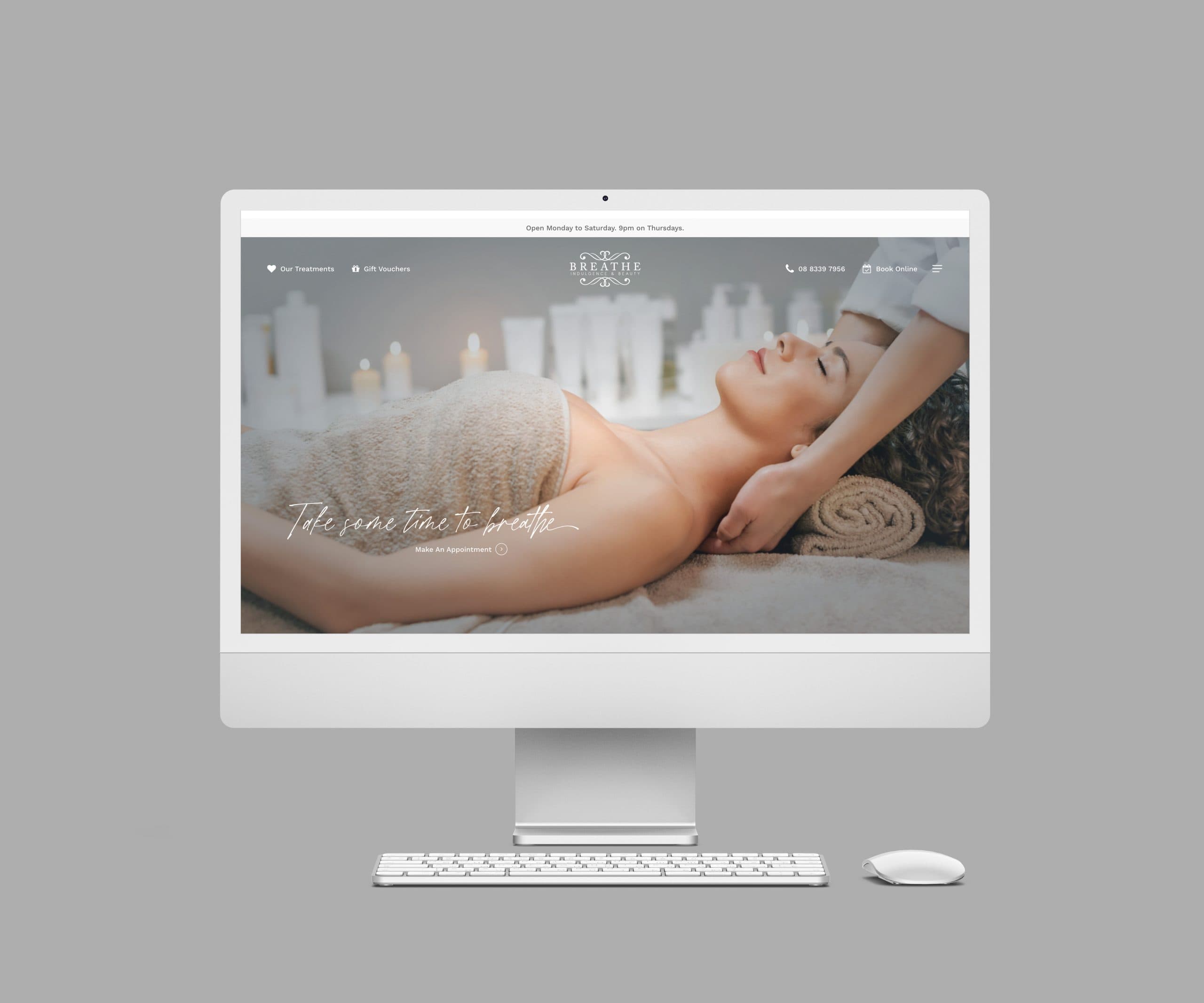
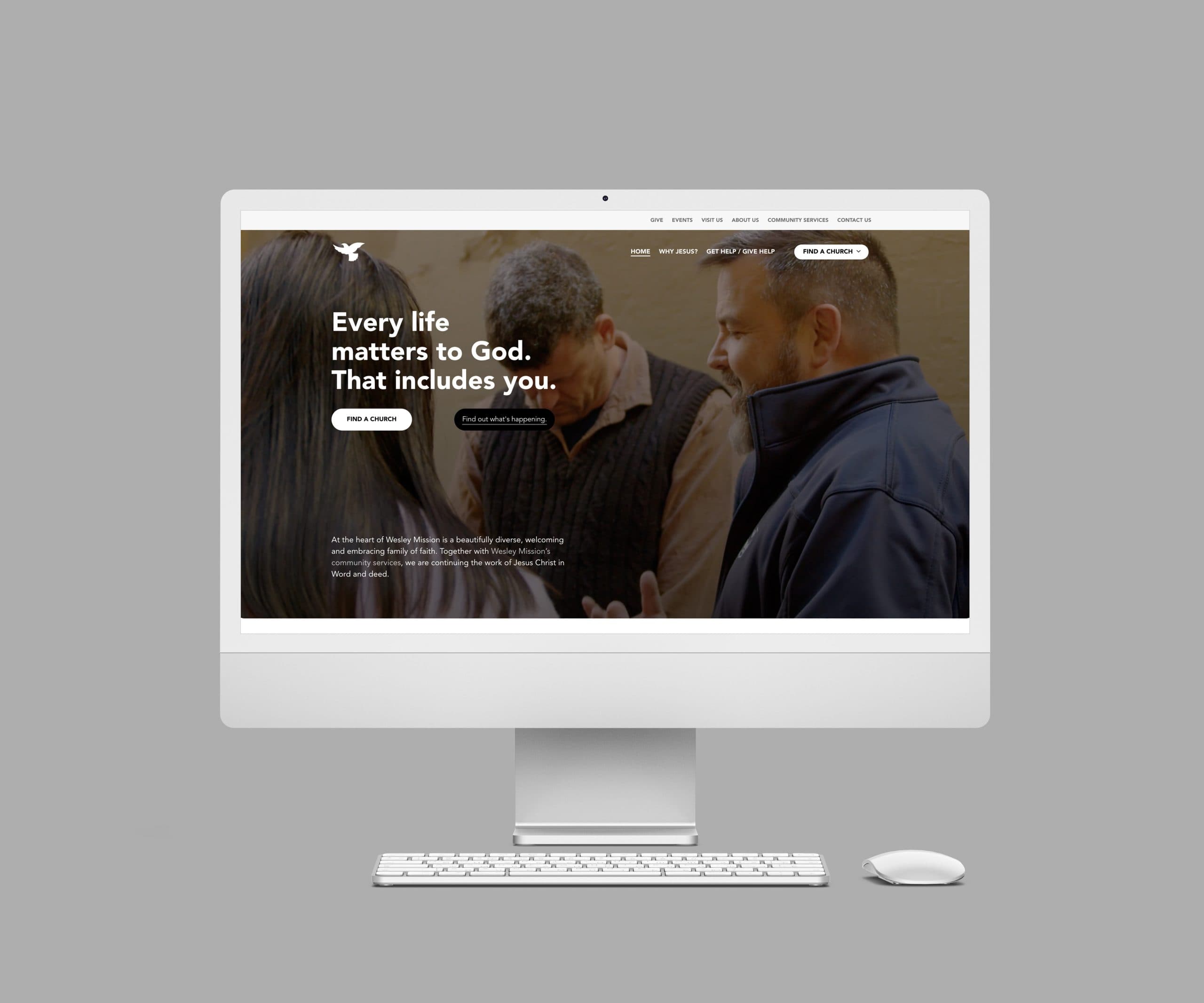
Most websites have the same problem.
They were built to look good at launch. Nobody thought hard about what they needed to do - what action they needed visitors to take, what questions they needed to answer before someone would trust you enough to get in touch, what keywords they needed to rank for. They look reasonable and they do almost nothing.
A website is your best performing salesperson if it's built that way. It's an expensive brochure if it isn't.
How I approach web projects
Every project starts with strategy, not aesthetics. What does this site need to achieve? What does a visitor need to see, feel, and believe before they take action? What are the search terms that bring the right people to the right pages? What does the content architecture look like? These questions get answered before a pixel gets placed.
The design then serves those answers. Not the other way around.
Next.js builds are what I reach for when performance and SEO are non-negotiable - which, increasingly, they always are. Next.js sites are fast, they render in ways that search engines love, they're scalable, and they're built on modern infrastructure (Vercel, edge networks) that keeps them fast everywhere in the world.
WordPress builds make sense when the client needs genuine editorial control - the ability to add pages, update content, and manage a blog without touching code. I build on WordPress with a performance-first approach: no page builders, clean code, optimised hosting.
Shopify builds for e-commerce. Shopify has won e-commerce. The platform is excellent, the ecosystem is mature, and custom builds on Shopify can look and feel completely distinct from the out-of-the-box templates.
SEO is part of the build, not an afterthought
Every site I build has proper schema markup, metadata, heading structure, internal linking architecture, and Core Web Vitals performance baked in. Not as extras. As standard. Because a site that doesn't rank is a liability, not an asset.
I also write or edit the copy for most of the sites I build - which means the keyword research informs the content, and the content sounds like it was written by a human who knows your business. Because it was.
The unusual bit
I'm a marketing consultant who can also build websites. Which means the site isn't just designed to look like your brand - it's designed to do your marketing. The positioning, the messaging, the calls to action, the content hierarchy - all of it comes from the same strategic thinking that would underpin your entire marketing approach.